When Everyone’s a Curator, Nobody Is
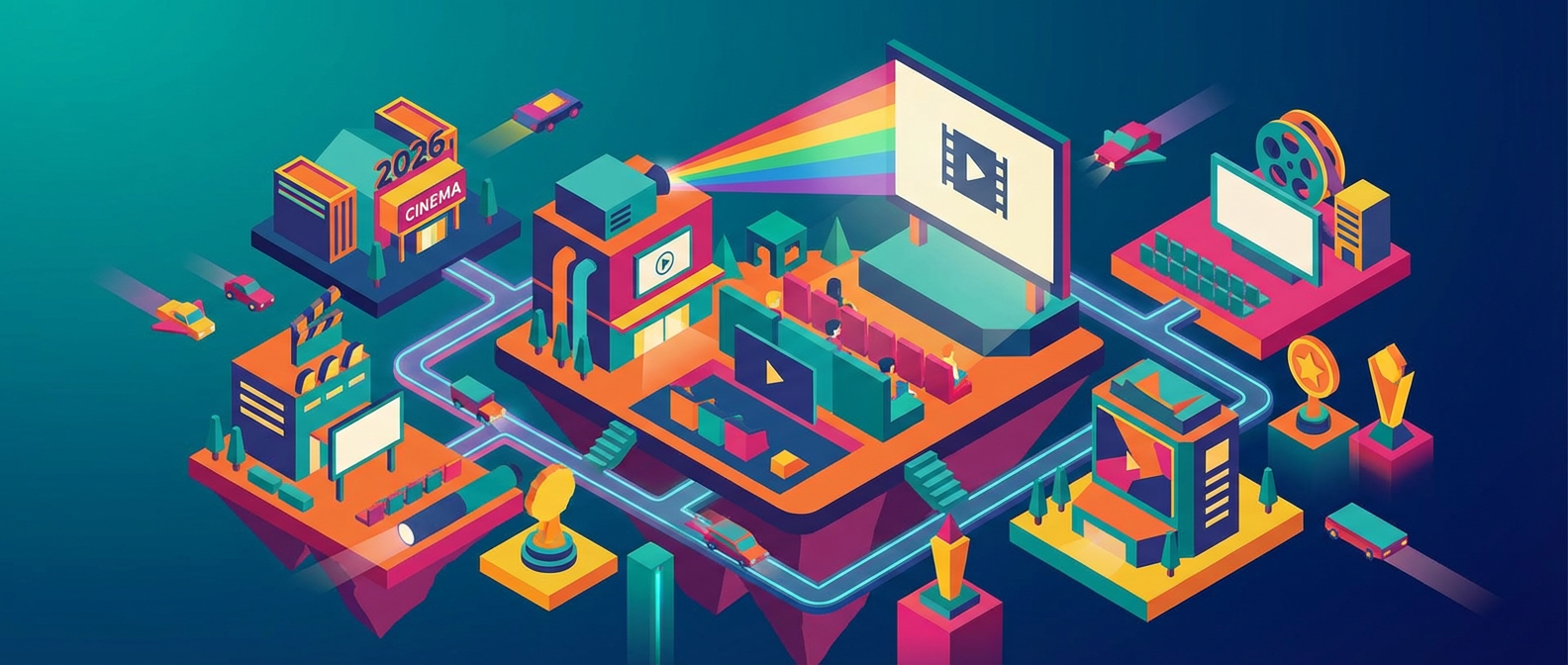
The Sundance Film Festival announced this year that they received over seventeen thousand submissions for their 2026 program. That number should terrify anyone who cares about independent cinema, not inspire them. When Robert Redford launched this festival decades ago, the magic lay in its ability to surface hidden gems from a smaller, more passionate pool of filmmakers. Now we’re drowning in content, and the festival circuit has become less about discovery and more about validation for an oversaturated market.
This volume reveals a fundamental problem plaguing independent cinema today. Every film school graduate with a smartphone thinks they’re the next Chloé Zhao. Every influencer with a Ring light believes they understand visual storytelling. The democratization of filmmaking tools has created an avalanche of mediocrity that even the most discerning programmers struggle to navigate. What emerges from this chaos isn’t necessarily the best work, but rather the loudest, most marketable, or most algorithmically friendly content.
Festival programmers now face an impossible task. How do you maintain artistic integrity when sorting through seventeen thousand hopefuls? Many of these filmmakers learned their craft not through rigorous study but through viral TikTok tutorials. The decline in traditional film school applications tells us everything we need to know about where aspiring filmmakers are turning for education. YouTube creators are bypassing decades of established cinematic language in favor of engagement metrics and shareability.
The Streaming Gold Rush Destroys the Festival Experience
Nothing illustrates the corruption of festival culture more clearly than the new practice of streaming platforms offering distribution deals on opening day of festival screenings. This isn’t celebration of cinema. It’s a feeding frenzy that reduces art to commodity before audiences even have time to process what they’ve witnessed. The festival experience once provided space for contemplation, discussion, and genuine critical engagement with challenging work.
When Netflix or Amazon representatives start bidding wars in theater lobbies, the entire ecosystem shifts from artistic merit to market potential. Filmmakers begin crafting their works not for festival audiences seeking transformative experiences, but for streaming executives seeking the next binge-worthy series or awards season contender. The result is a homogenization of independent voices, all chasing the same algorithmic approval that mainstream studios have been pursuing for years.
This immediate monetization also destroys the organic word-of-mouth that once drove festival successes. Films that might have gained passionate followings through gradual discovery now get swept up in corporate machinery before anyone can determine their actual cultural value. The careful cultivation of artistic reputations has been replaced by opening weekend streaming numbers and social media buzz.
The A24 Effect: When Independence Becomes a Brand
The widespread imitation of A24’s prestige independent cinema model across major studios represents perhaps the most insidious threat to authentic independent filmmaking. What began as a genuinely innovative approach to marketing and distributing challenging films has devolved into a cynical branding exercise. Every studio now wants their own “indie” arm, complete with minimalist posters and carefully curated social media presence.
This corporate co-optation of independent aesthetics creates a false marketplace where genuine independence competes with well-funded imitations. When Disney launches a subsidiary that mimics A24’s visual language and marketing strategies, they’re not celebrating independent cinema. They’re colonizing it. The result is a generation of filmmakers who unconsciously self-censor, creating work that fits predetermined “independent” templates rather than pushing genuine boundaries.
The A24 model’s success has also created unrealistic expectations for what independent cinema should achieve commercially. Not every challenging film needs to become a cultural phenomenon or spawn a thousand think pieces. Some of the most important independent works in cinema history were commercial failures that found their audiences over time through careful preservation and presentation.
The Documentary Bubble and International Cinema’s False Dawn
The current documentary renaissance, driven primarily by streaming platform demand, masks a deeper problem with how we consume non-fiction cinema. Platforms need content that can generate immediate engagement and social media discussion. This has led to a preference for documentary subjects that confirm existing beliefs or provide easily digestible outrage rather than challenging viewers with complex, ambiguous truths.
Similarly, the increased English-language audience interest in international cinema following “Parasite’s” Academy Award success represents more cultural tourism than genuine engagement. Most viewers seeking “the next Parasite” are looking for familiar themes dressed in exotic aesthetics, not genuinely foreign perspectives that might challenge their worldview. This surface-level internationalism actually reinforces cultural hierarchies rather than dismantling them.
The streaming platforms’ appetite for international content has created a new form of cultural imperialism where non-English filmmakers increasingly craft their work for American sensibilities. The result is a flattening of distinct national cinemas into globally palatable products that sacrifice specificity for broader market appeal. IndieWire film criticism has documented how this trend affects everything from narrative structure to visual design.
Reclaiming Festival Culture
The solution isn’t to abandon film festivals or independent cinema, but to recognize how current trends are undermining their essential functions. Festivals must resist the pressure to become content markets and return to their role as cultural laboratories. This means smaller, more curated selections that prioritize artistic risk over commercial potential.
Independent filmmakers need to reject the false choice between mainstream success and artistic integrity. The most vital independent cinema has always existed in tension with commercial expectations, not in service to them. This requires developing new distribution models that don’t rely solely on streaming platforms or festival validation.
The future of independent cinema depends on reclaiming the concept of independence itself. True independence isn’t about budget size or studio affiliation. It’s about maintaining creative vision in the face of market pressures. Whether that vision finds its audience through traditional festivals, alternative distribution methods, or entirely new platforms matters less than preserving the space for genuinely challenging work to exist and evolve.
What aspects of festival culture do you think are most worth preserving, and which current trends pose the greatest threat to authentic independent filmmaking?